Customer Case
Marco — Brazil Plywood Factory
Marco’s plywood factory in Brazil first reached out after struggling with inconsistent veneer batches from a previous supplier. A small…
Read the storyProduct Detail
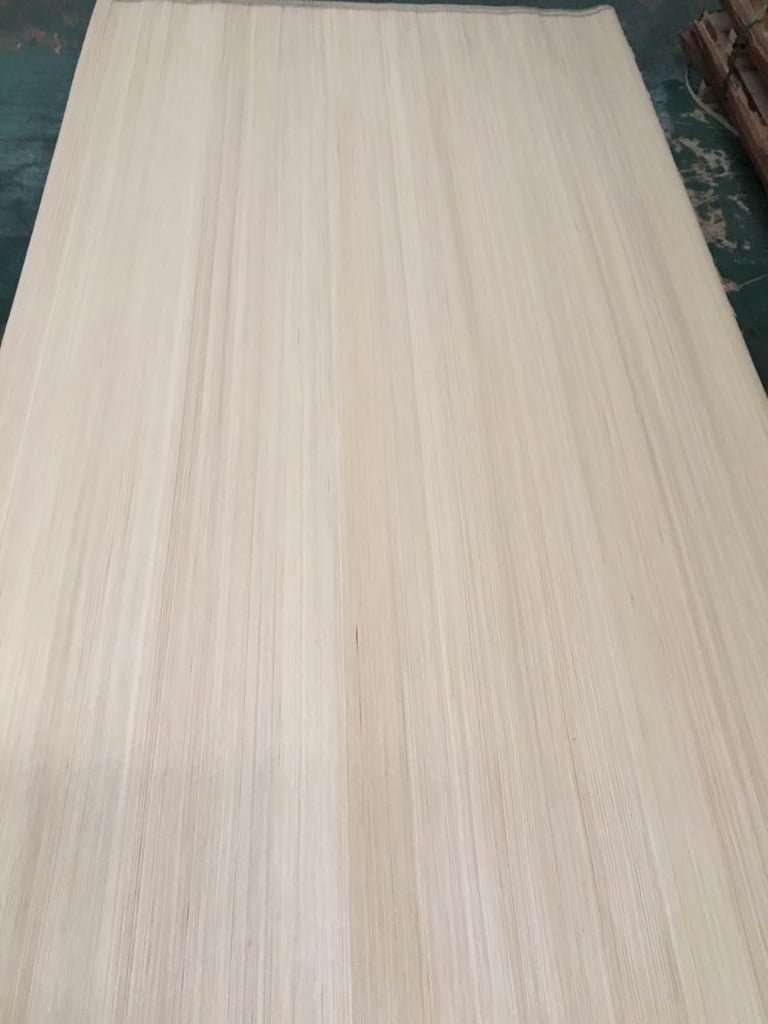
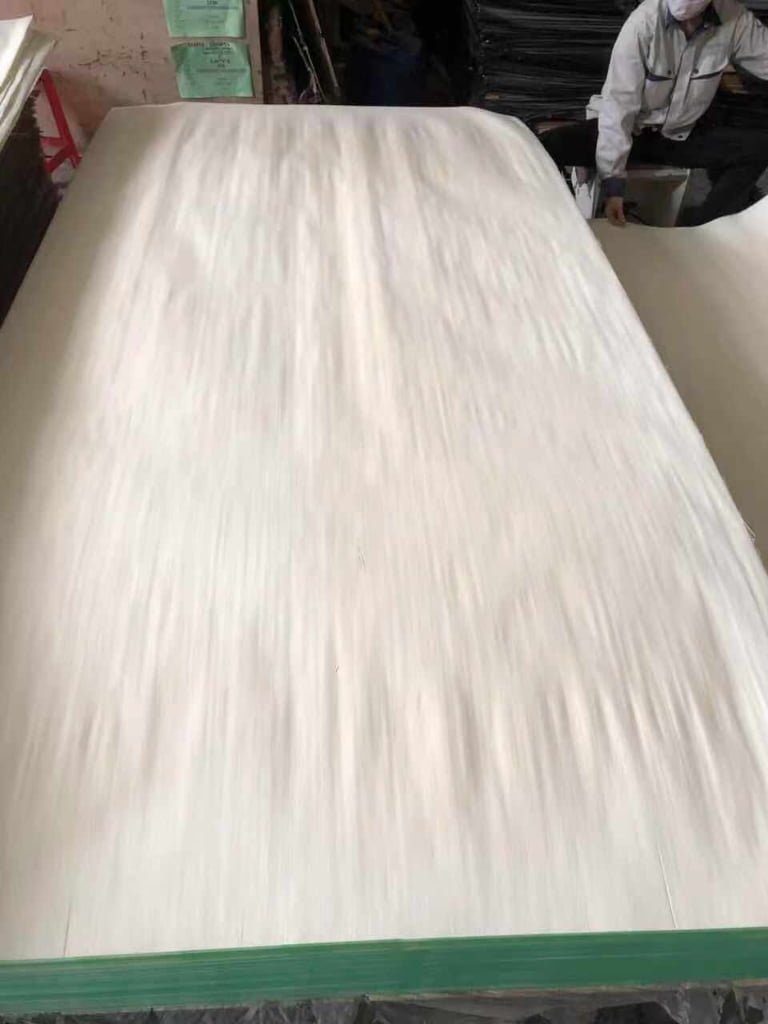
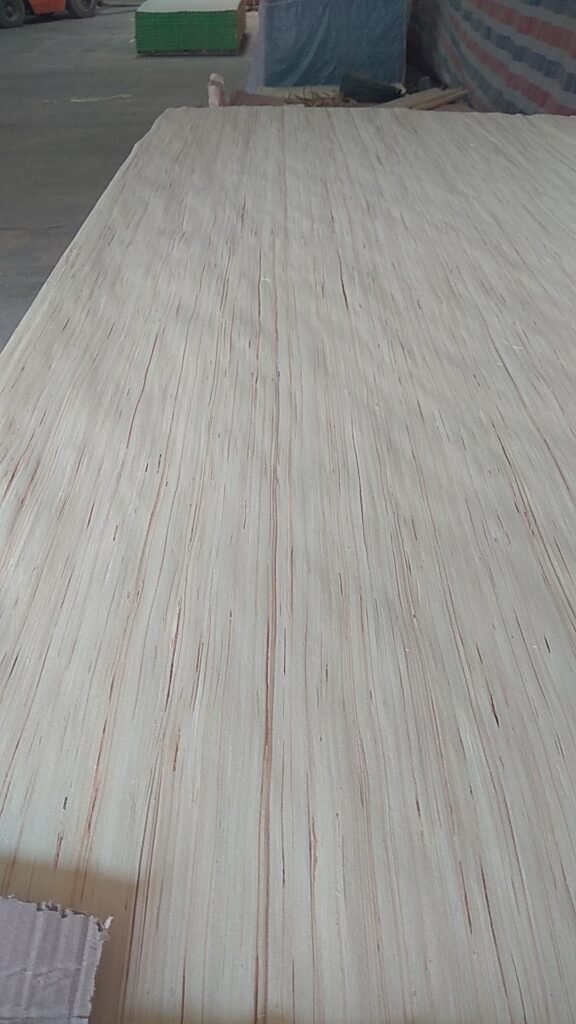
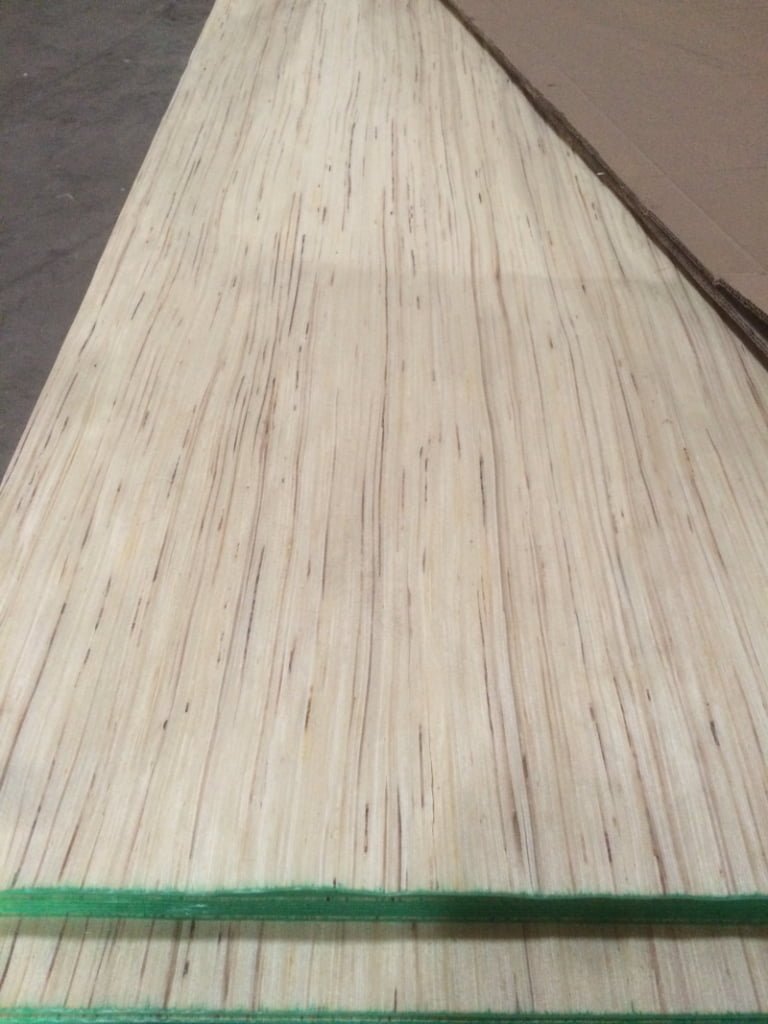
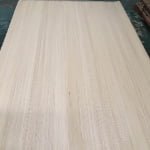
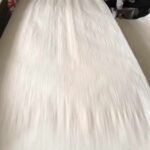
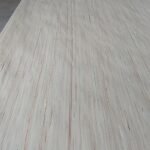
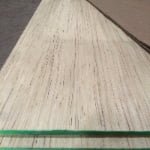
| Veneer Name | Engineered Veneer/Recon Veneer |
|---|---|
| Botanical Name | Populus spp. |
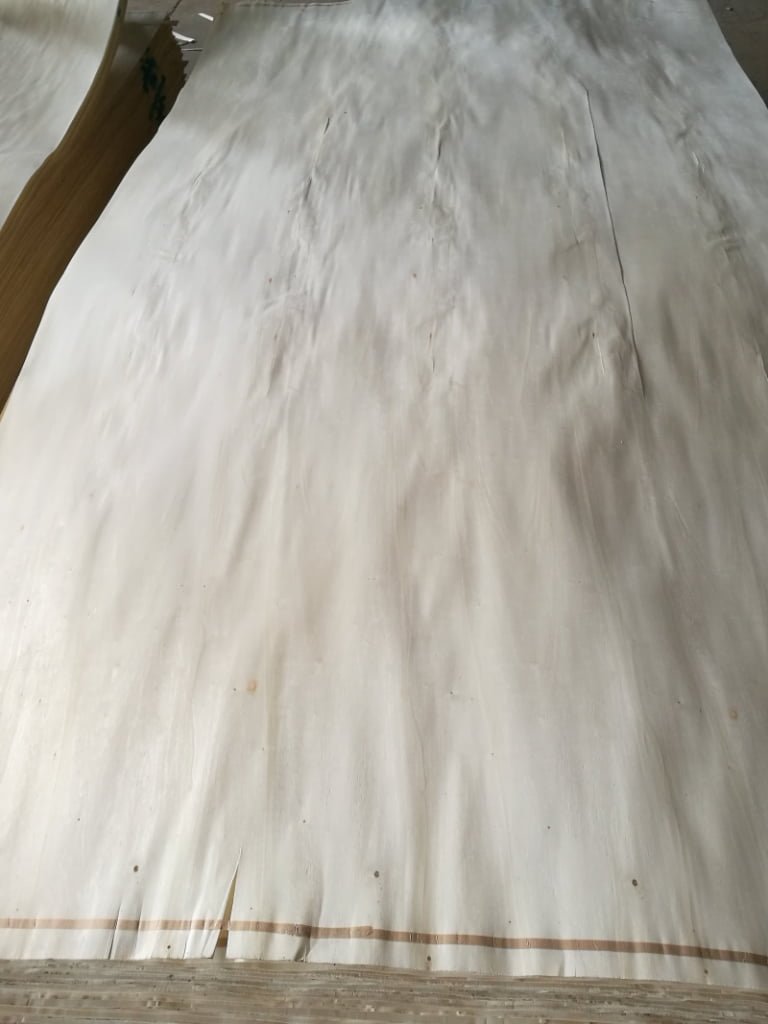
| Wood Species | Bleached Poplar |
| Application | Furniture, Cabinetry, Doors, Flooring, Wall Paneling |
| MOQ | 2 pallets |
| Log Origin | North America |
| Port of Loading | QINGDAO port |
| Moisture Content | 不适用 |
| Grade | - |
| FSC Status | To be confirmed for each order |
Standard supply range for natural wood veneer
| Specification | Available Range |
|---|---|
| Thickness |
0.30 mm
0.40 mm
0.55 mm
|
| Length | 1200–3800 mm |
| Width | 140–400 mm |
| Custom Sizing | Thickness, length and width can be customized according to customer requirements. |
Bleached Poplar Veneer Overview
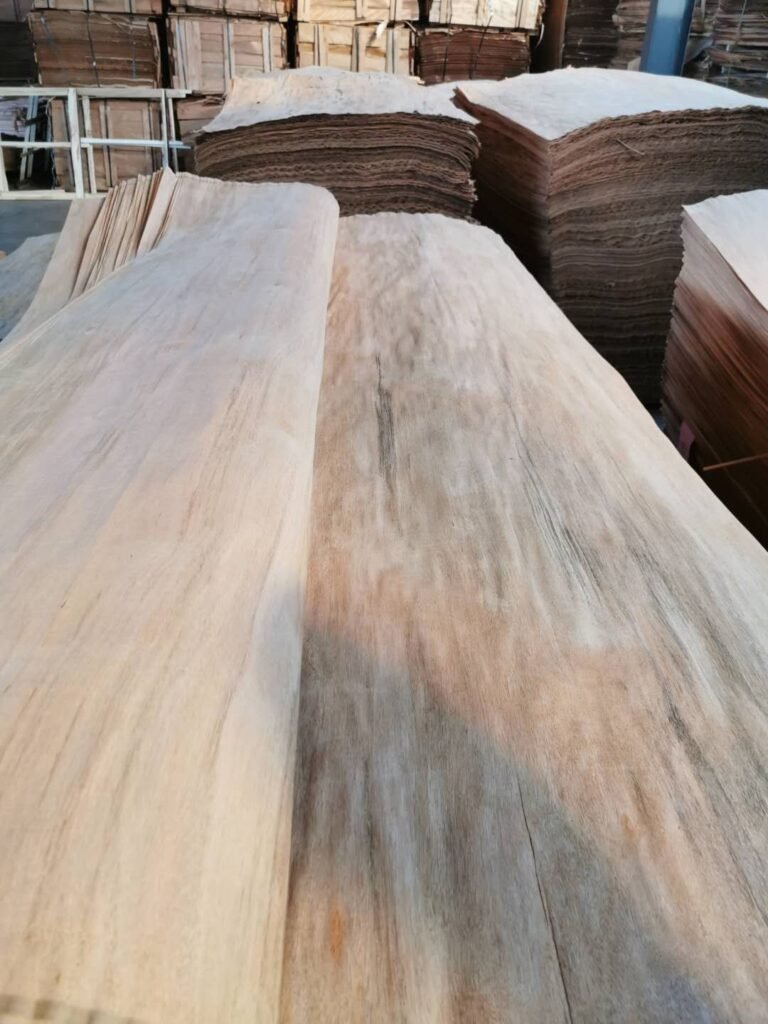
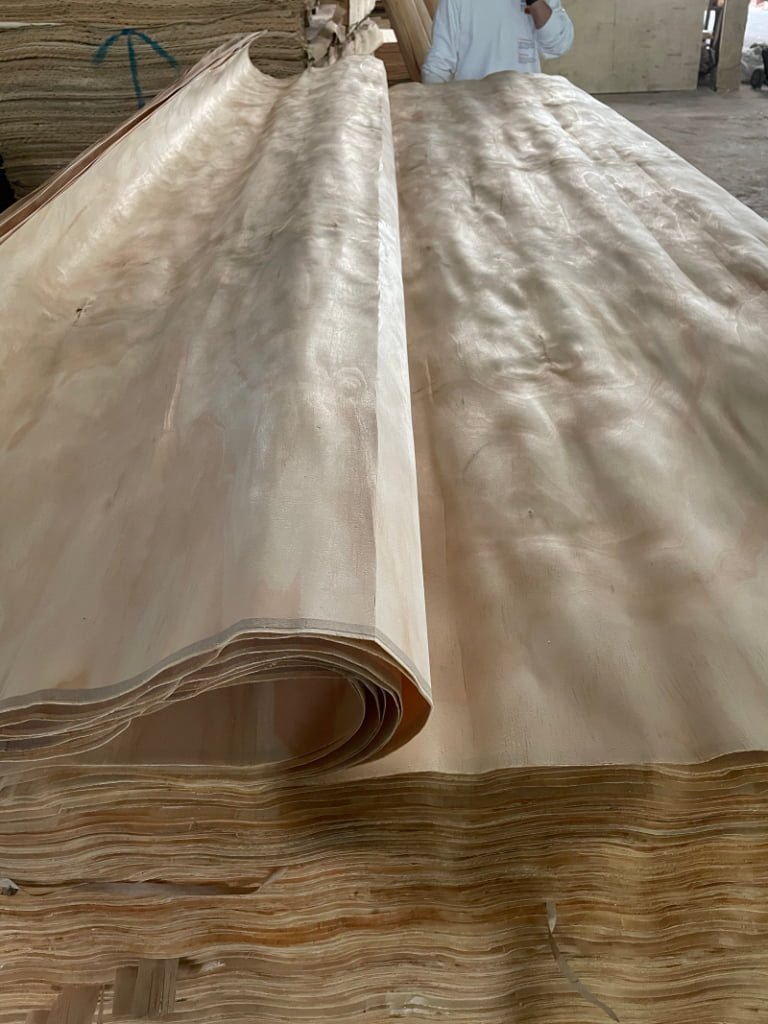
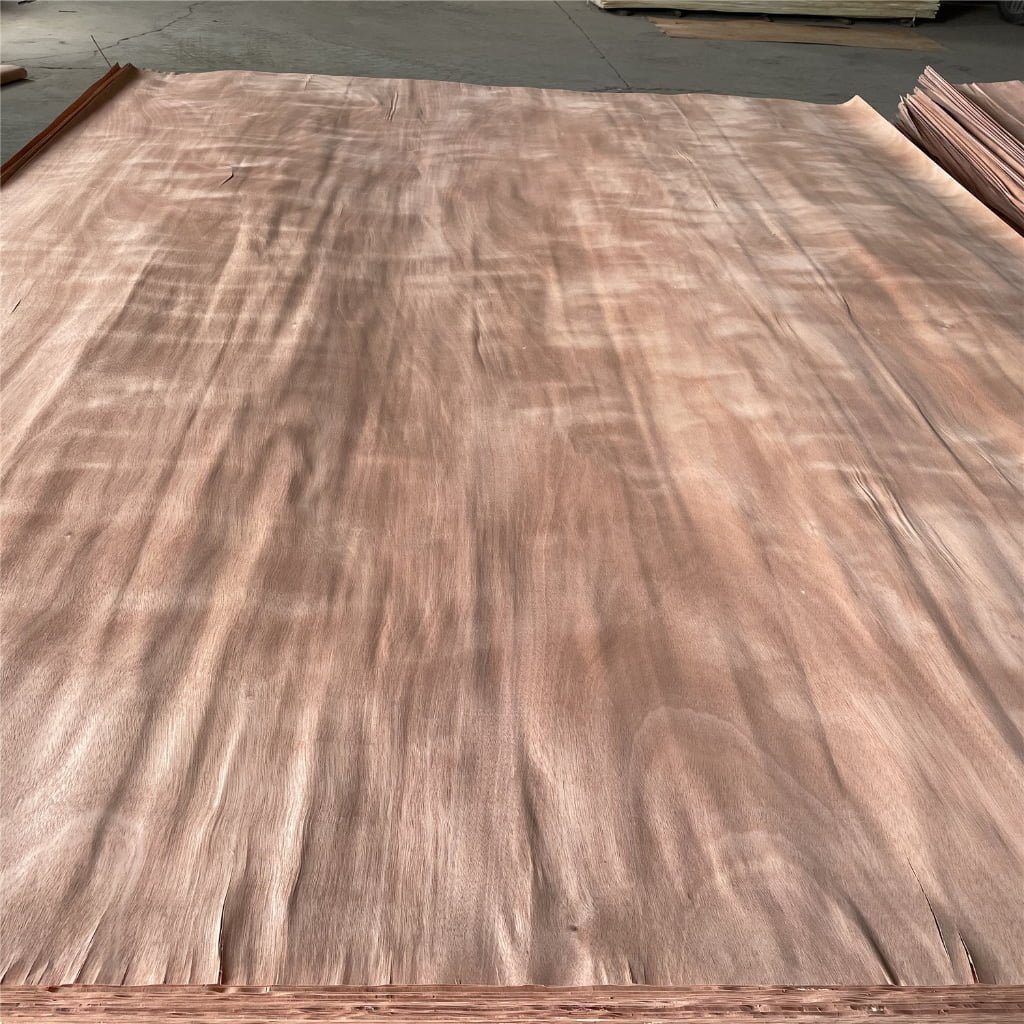
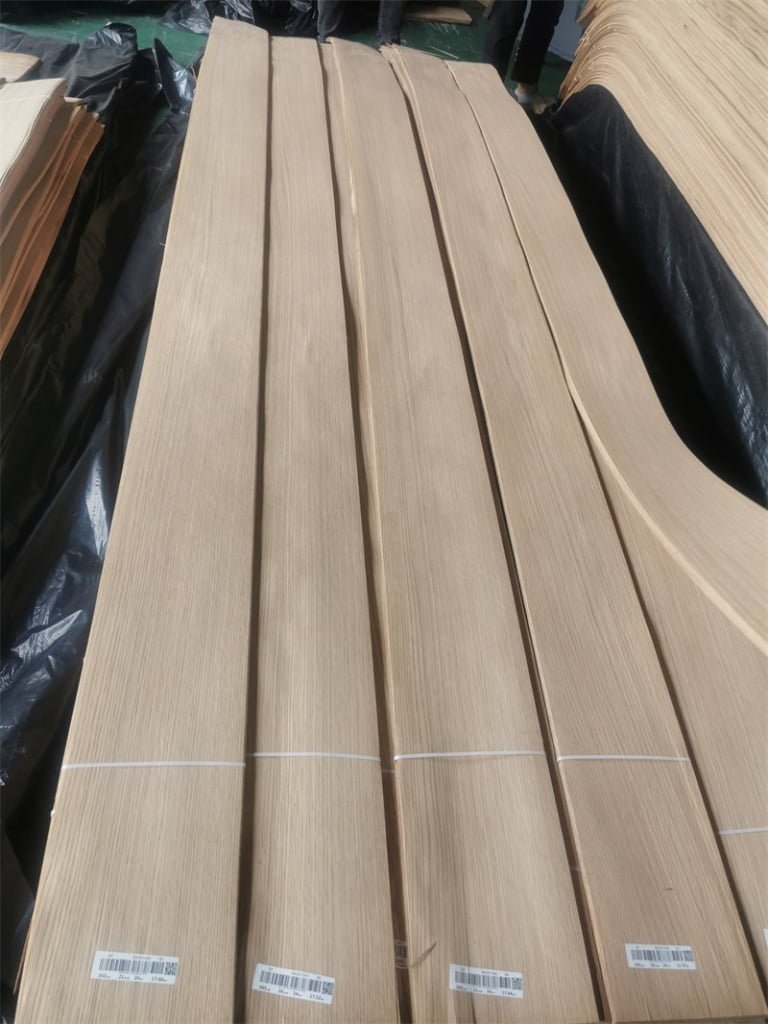
Engineered veneer, also known as reconstituted veneer or recon veneer, is a real wood decorative material designed to deliver consistent colours and grain patterns. It combines the warmth of wood with a controlled appearance, making it a practical choice for furniture manufacturing and coordinated interior projects.
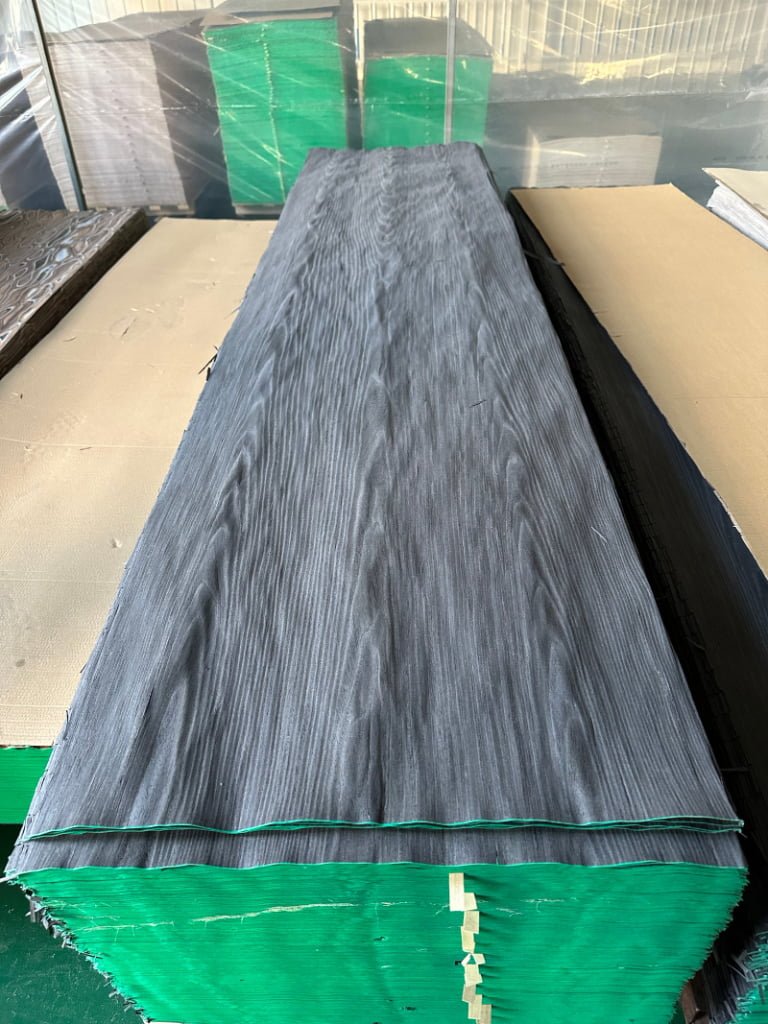
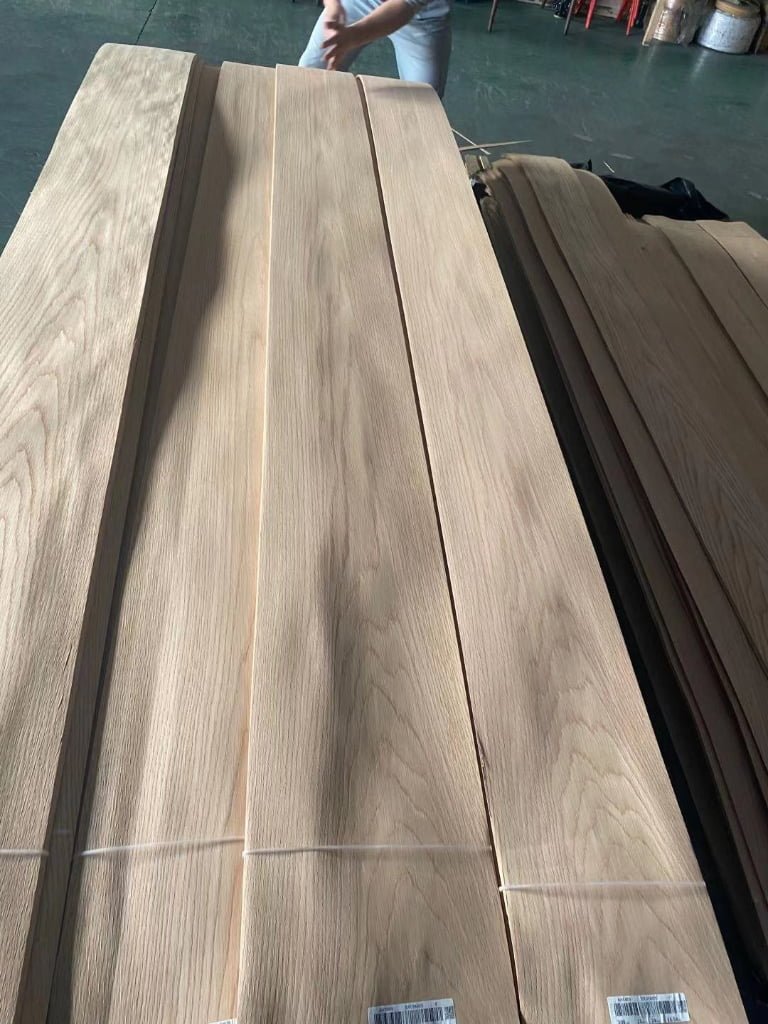
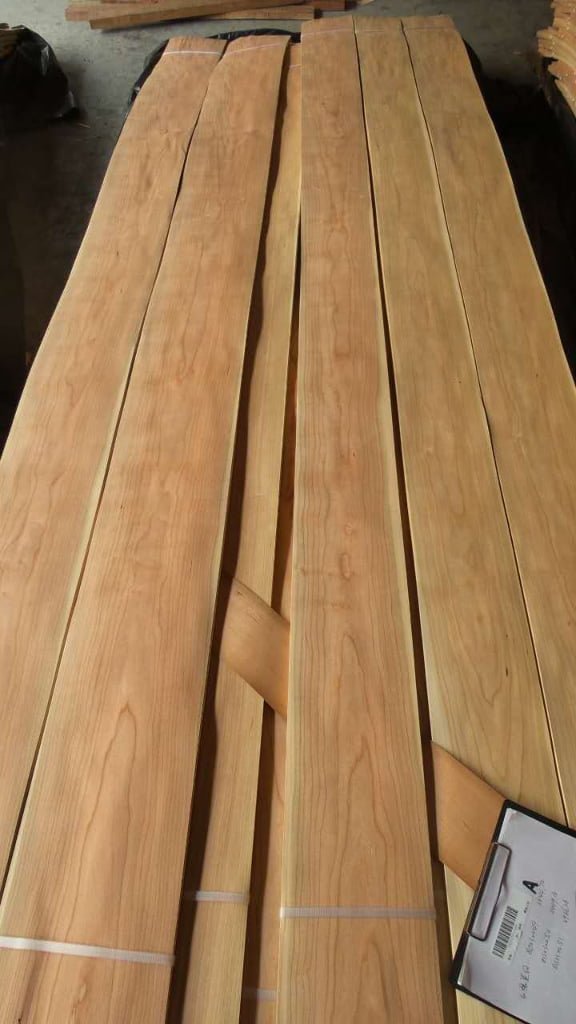
Made by processing, dyeing and laminating wood veneers into blocks before slicing them into new sheets, engineered veneer can reproduce a wide range of woodgrain styles. Designs may resemble oak, walnut and other familiar species, or feature decorative patterns created for contemporary interiors. The appearance describes the design rather than necessarily identifying the wood species used to manufacture the veneer.
One of the main advantages of engineered veneer is its visual consistency. Compared with natural veneer, which reflects the individual characteristics of each log, engineered veneer makes it easier to coordinate colours and patterns across furniture components, doors and wall panels.
This consistency is especially useful for projects involving repeated designs or large decorative surfaces. Slight variations may still occur between production batches, so coordinated ordering and sample approval are recommended when close matching is required.
Engineered veneer is suitable for a wide range of decorative interior applications, including:
It is typically bonded to MDF, plywood or another suitable substrate. The finished panel’s performance depends on the veneer, substrate, adhesive and coating system used.
With a broad selection of colours and grain patterns, engineered veneer supports both classic and modern designs. It can be carefully sanded and finished with compatible coatings to achieve the desired surface appearance. Testing on a sample before production helps confirm the final colour and finish.
When selecting engineered veneer, consider the design, sheet dimensions, thickness, quantity and intended application. A reference image or approved sample helps define the required appearance and provides a clear basis for quotation and production.
Buyer Support
Essential information to help you select, process and order Bleached Poplar veneer with confidence.
Engineered veneer, also called reconstituted veneer or recon veneer, is a decorative veneer made from real wood. The wood is processed, dyed, laminated into blocks and sliced to create selected colours and grain patterns.
Natural veneer displays the original grain and colour of the log. Engineered veneer features a designed appearance, offering greater consistency across sheets for coordinated furniture and interior projects.
Yes. Engineered veneer is made from real wood rather than printed paper or plastic film. The species used as the raw material may differ from the species its design resembles.
Engineered veneer can be produced in a wide range of woodgrain designs, including oak-look, walnut-look and straight-grain patterns, as well as decorative colours. Please share your preferred design or reference sample to check availability