Product Detail
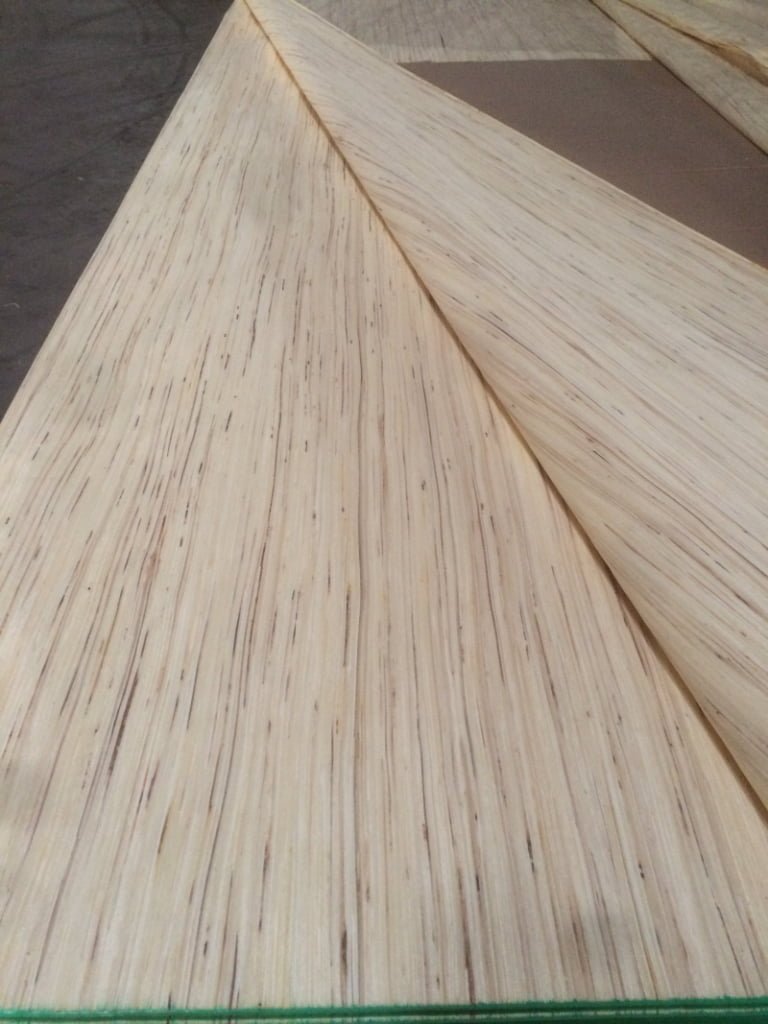
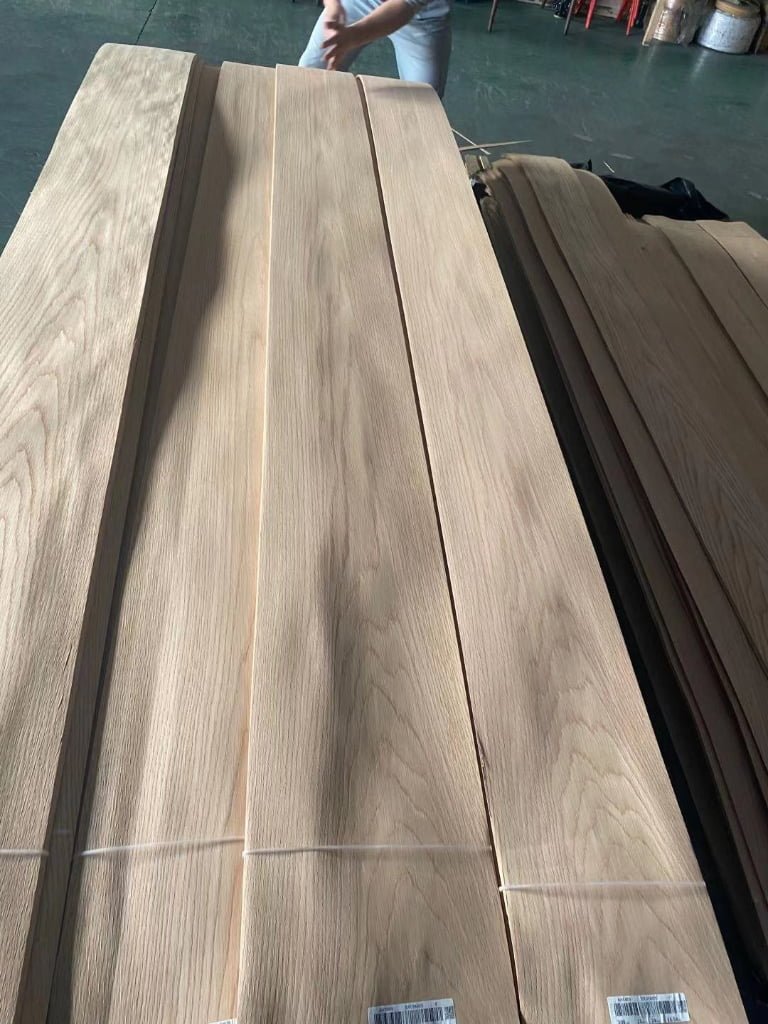
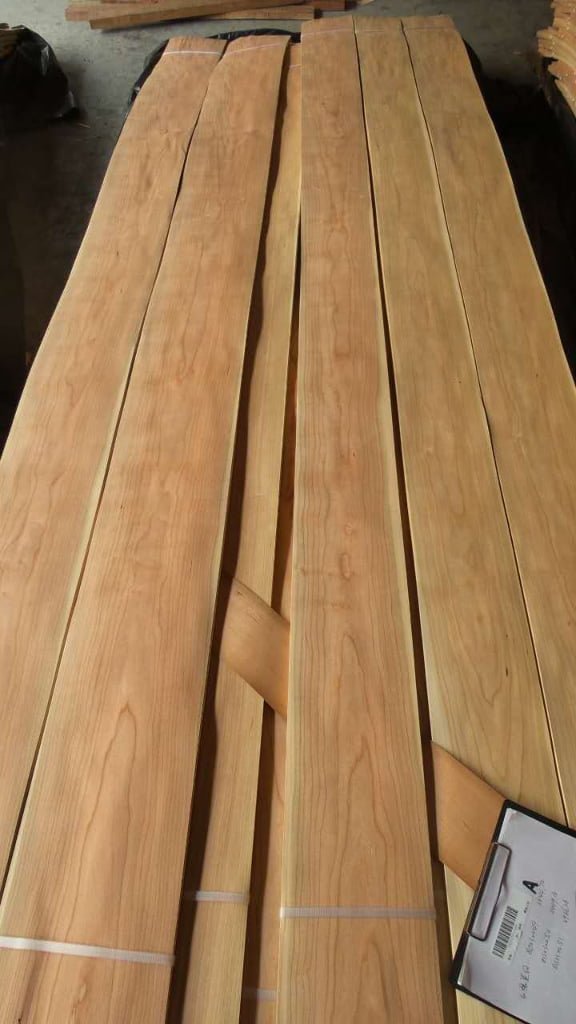
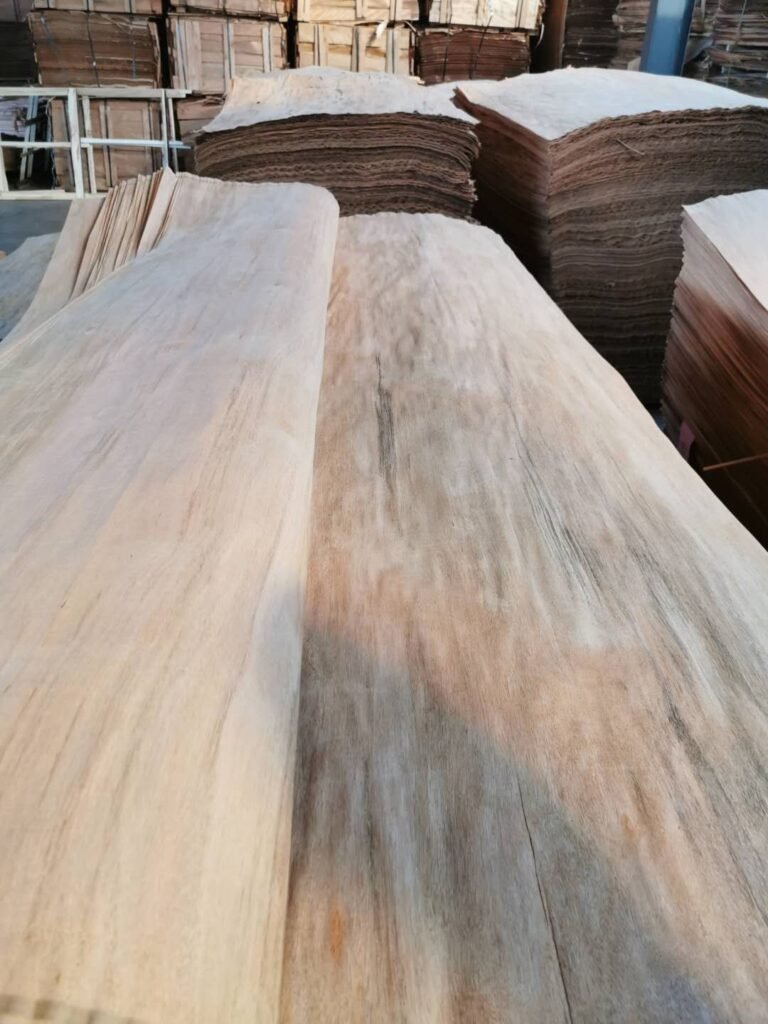
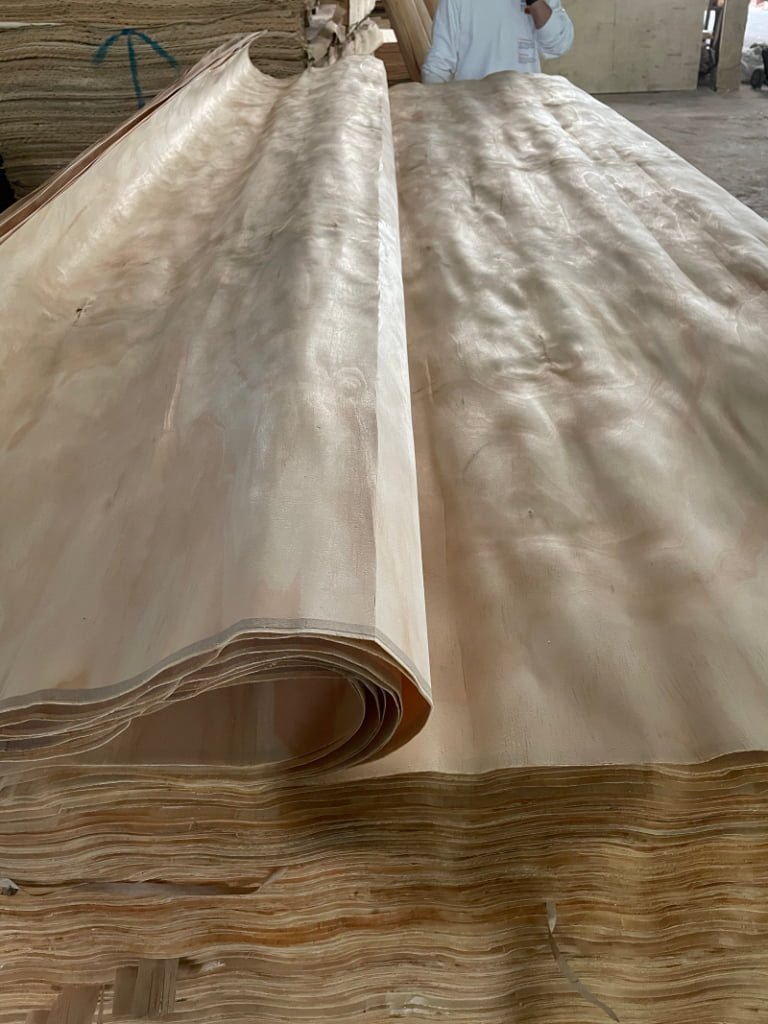
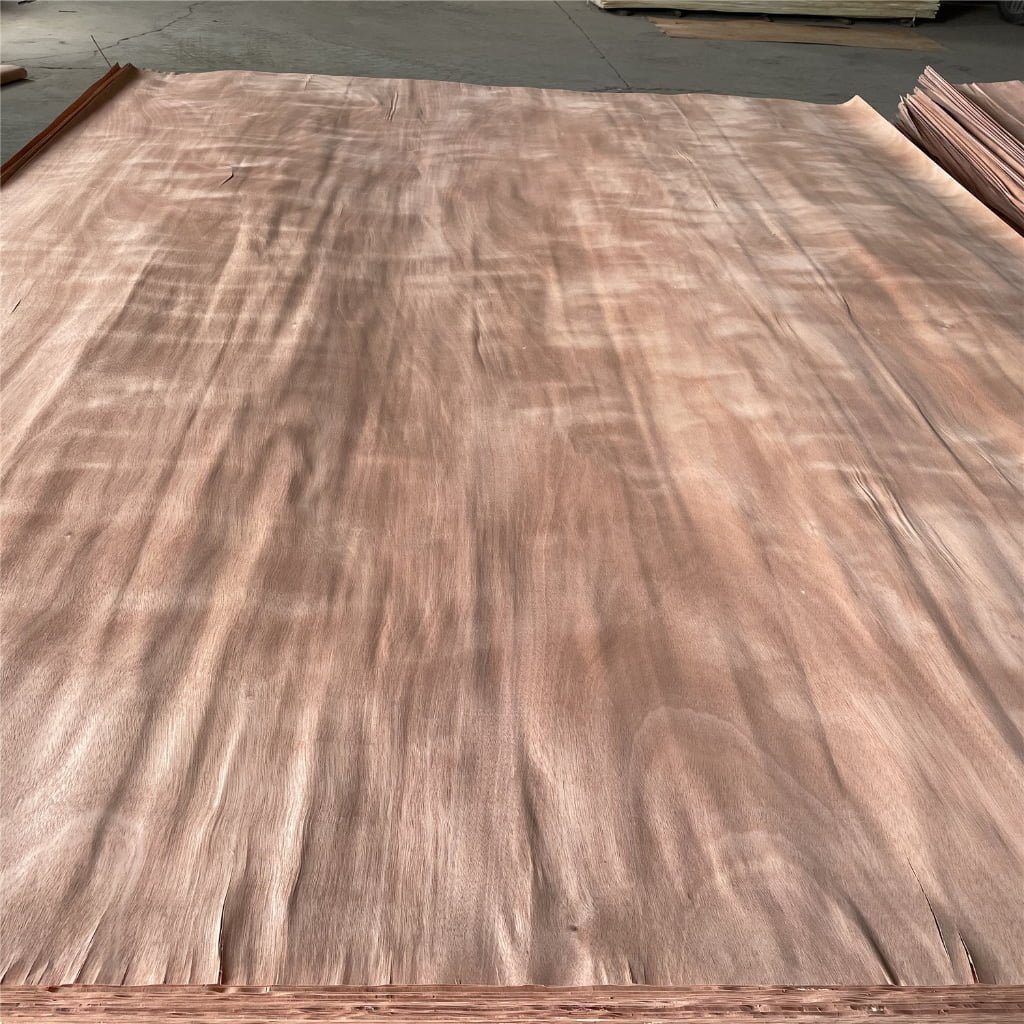
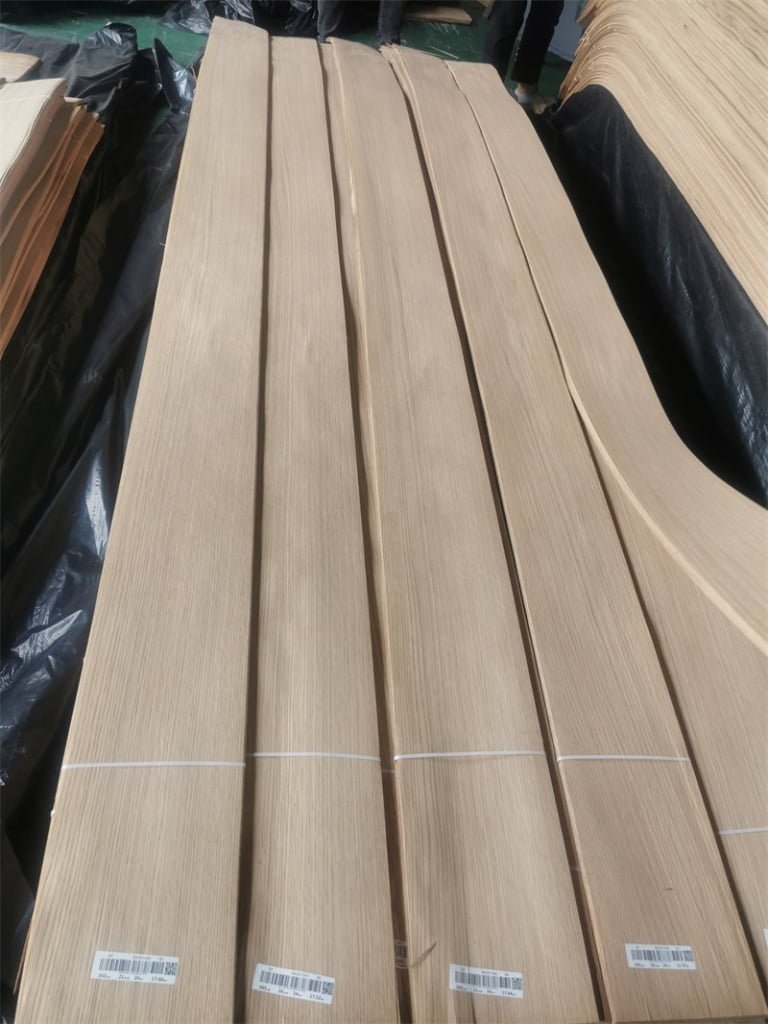
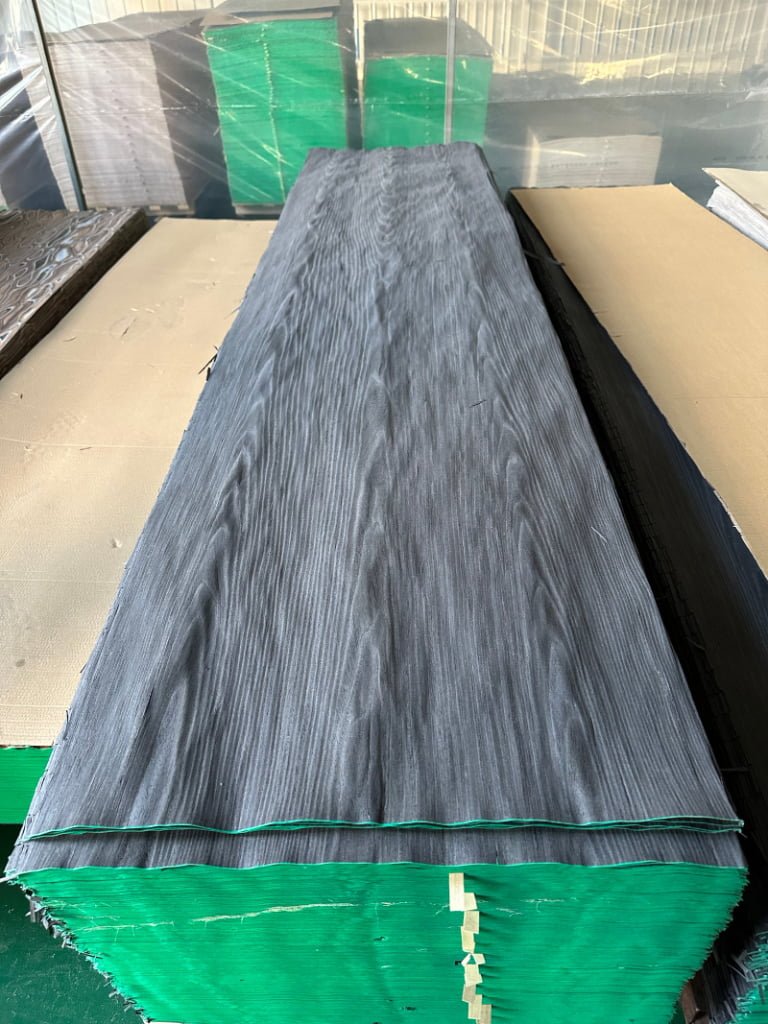
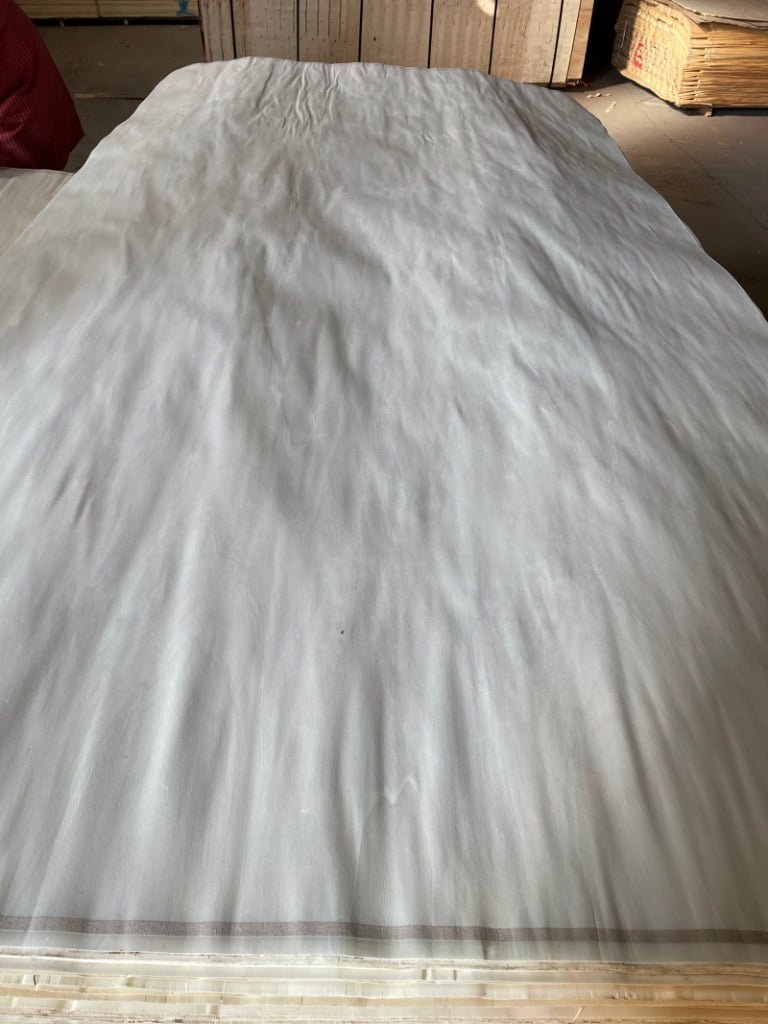
Bleached Poplar Veneer
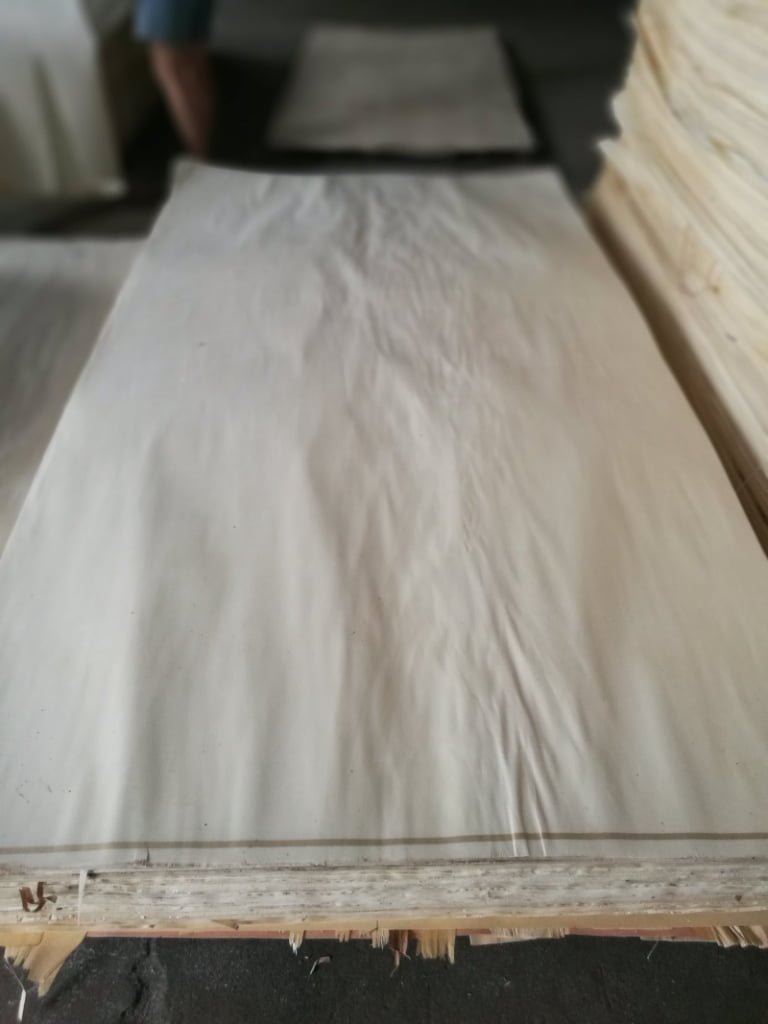
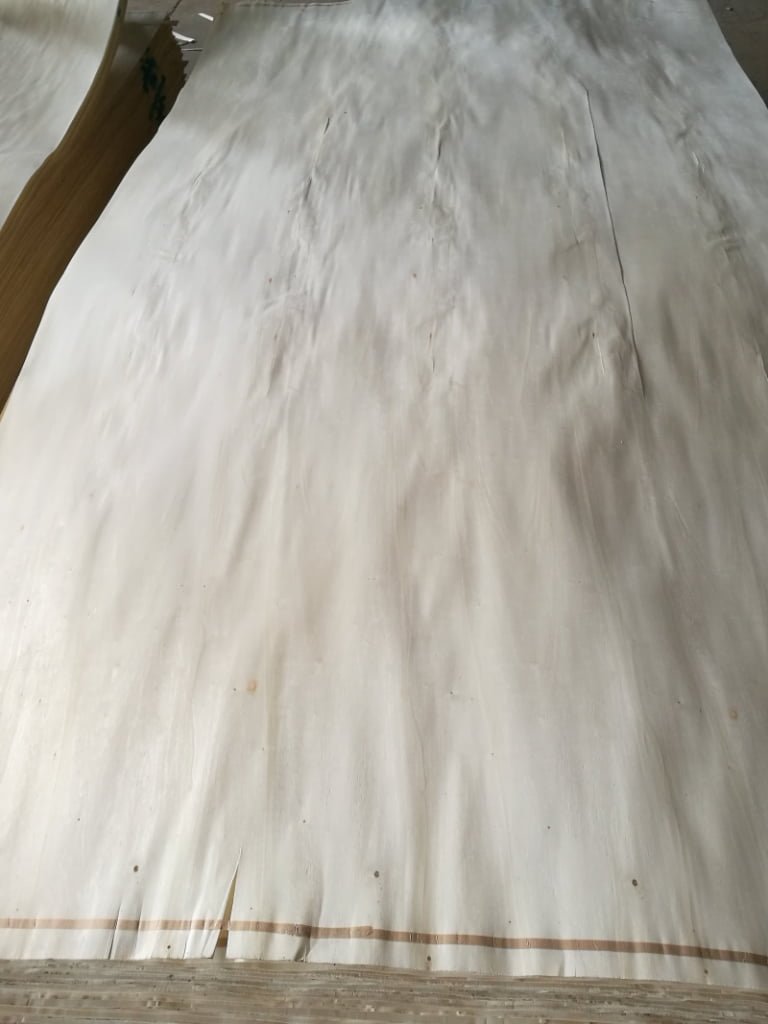
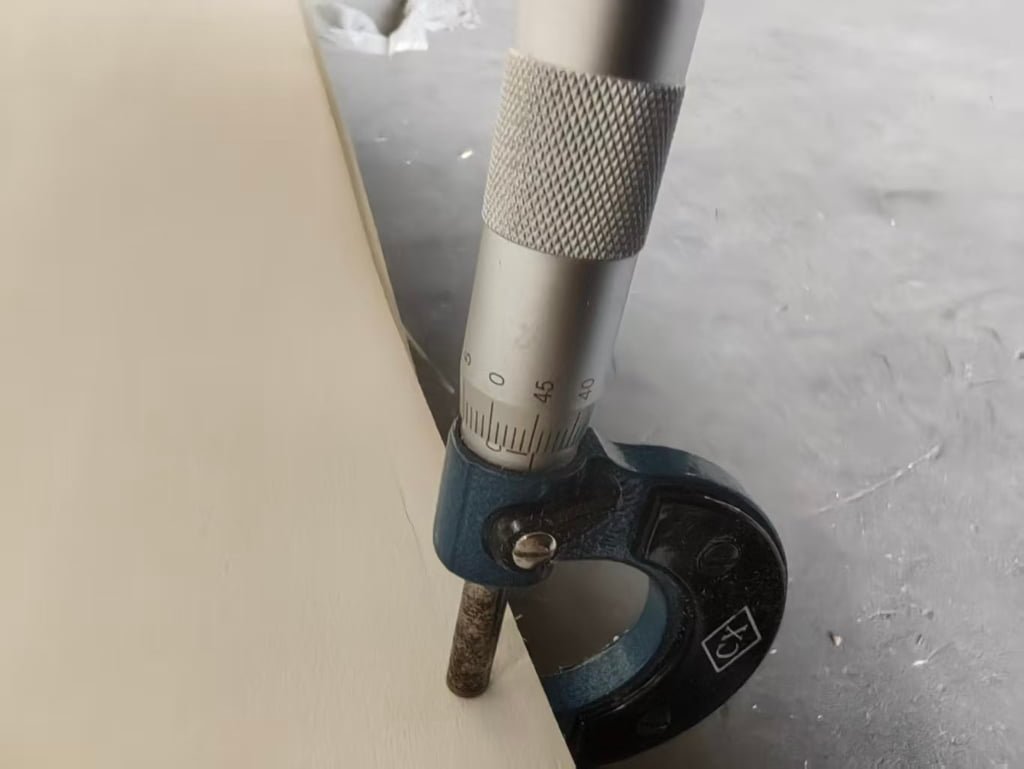
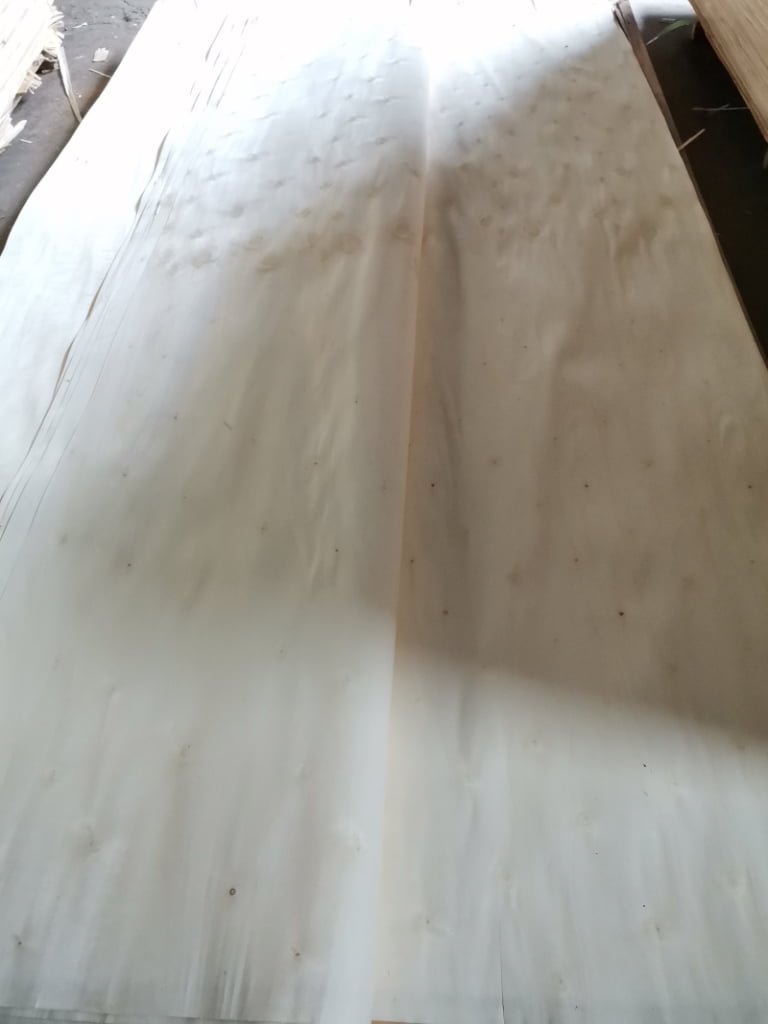
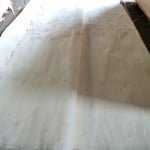
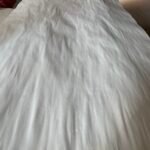
| Veneer Name | Bleached Poplar Veneer |
|---|---|
| Botanical Name | Populus spp. |
| Wood Species | Bleached Poplar |
| Application | Furniture, Cabinetry, Doors, Flooring, Wall Paneling |
| MOQ | 2 pallets |
| Log Origin | China |
| Port of Loading | QINGDAO port |
| Moisture Content | 8%–12% |
| Grade | - |
| FSC Status | 可提供 |
Available Dimensions
Standard supply range for natural wood veneer
| Specification | Available Range |
|---|---|
| Thickness |
0.2 mm
0.3 mm
0.5 mm
|
| Length | 1200–3800 mm |
| Width | 140–400 mm |
| Custom Sizing | Thickness, length and width can be customized according to customer requirements. |
Bleached Poplar Veneer Overview
About Bleached Poplar veneer
Bleached Poplar Veneer
Bleached poplar veneer is natural poplar wood veneer treated to create a lighter, more uniform appearance. Its pale color and subtle grain make it a practical option for plywood surfaces, furniture panels, and decorative interior applications.
Light Color and Subtle Grain
The bleaching process reduces the wood’s natural coloration, producing a pale cream to whitish appearance. This light background suits designs that require a clean, understated wood surface and provides a base for selected finishing processes.
Poplar generally has a relatively subtle grain, allowing the color and finish to play a prominent role in the finished design. Bleaching does not remove all natural characteristics: differences in shade, grain, and markings can remain between sheets. The required whiteness and acceptable color variation should be agreed using representative samples.
Plywood and Furniture Applications
Bleached poplar veneer can be selected for plywood face and back layers, furniture components, cabinet panels, and interior decorative panels. Suitability depends on the veneer grade, thickness, surface quality, and intended production process.
For visible surfaces, selection should focus on appearance and acceptable defects. Buyers should specify their requirements for knots, holes, splits, repairs, discoloration, and wrinkles to ensure the material meets their application needs.
Processing and Finishing
The pale surface can be clear-coated to retain a light wood appearance or finished with a suitable stain or tinted coating. Different finishing systems can change the final color, so testing on an actual veneer sample is recommended.
Before bulk production, manufacturers should confirm compatibility with their adhesive, pressing conditions, and coating system. Careful handling and controlled storage also help protect the veneer before application.
Specifications and Ordering
When requesting a quotation, please provide the required thickness, length, width, grade, quantity, and intended use. Specify the actual measured thickness and tolerance if these are critical to your production.
Color requirements should include the preferred shade and acceptable variation. Surface flatness and wrinkle limits should also be agreed before ordering, ideally with approved samples or reference photographs.
Contact us to discuss your bleached poplar veneer requirements and select suitable material for your plywood, furniture, or interior panel production.
Buyer Support
Frequently Asked Questions
Essential information to help you select, process and order Bleached Poplar veneer with confidence.
01 What is bleached poplar veneer?
Bleached poplar veneer is natural poplar veneer treated to reduce its original coloration and create a lighter appearance. It retains the wood’s natural grain and structure.
02 What is the botanical name of poplar?
Poplar belongs to the genus Populus. When the specific species has not been identified, it can be described as Populus spp. The exact botanical name depends on the wood used.
03 How does bleached poplar differ from natural poplar veneer?
Natural poplar retains its original wood color, while bleached poplar is treated to achieve a paler appearance. Bleaching mainly changes the color; it does not turn the veneer into engineered or reconstructed wood.
04 Is bleached poplar veneer completely white?
Not necessarily. It typically has a pale cream to whitish appearance, and slight shade differences may remain. Please provide an approved sample to define the required color and acceptable variation.