Customer Case
Marco — Brazil Plywood Factory
Marco’s plywood factory in Brazil first reached out after struggling with inconsistent veneer batches from a previous supplier. A small…
Read the storyProduct Detail
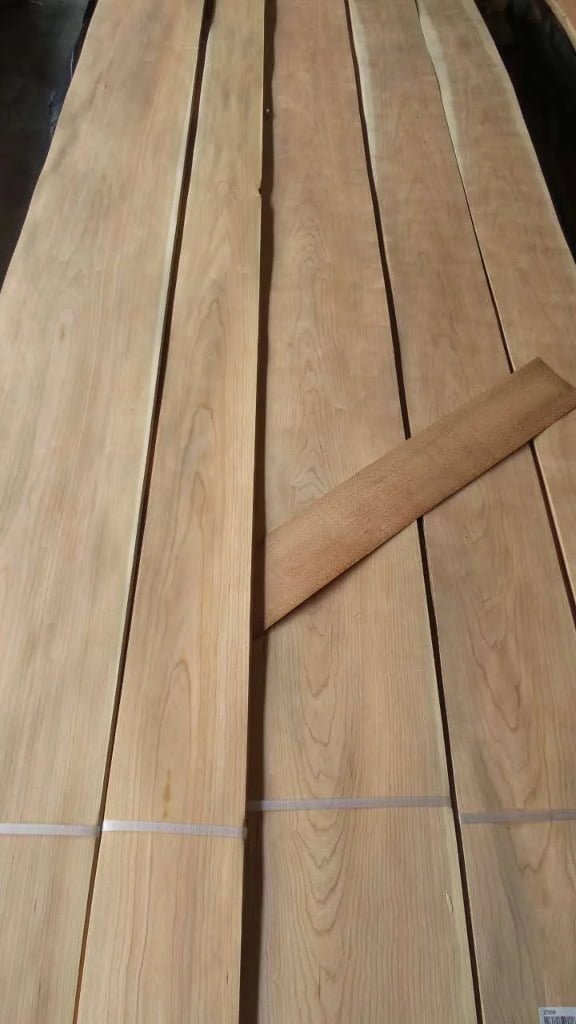
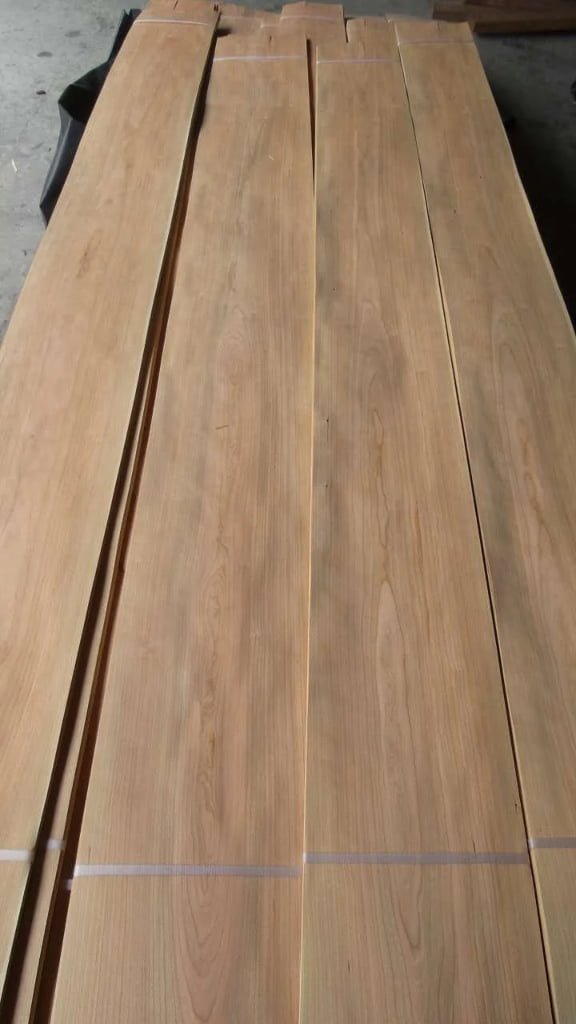
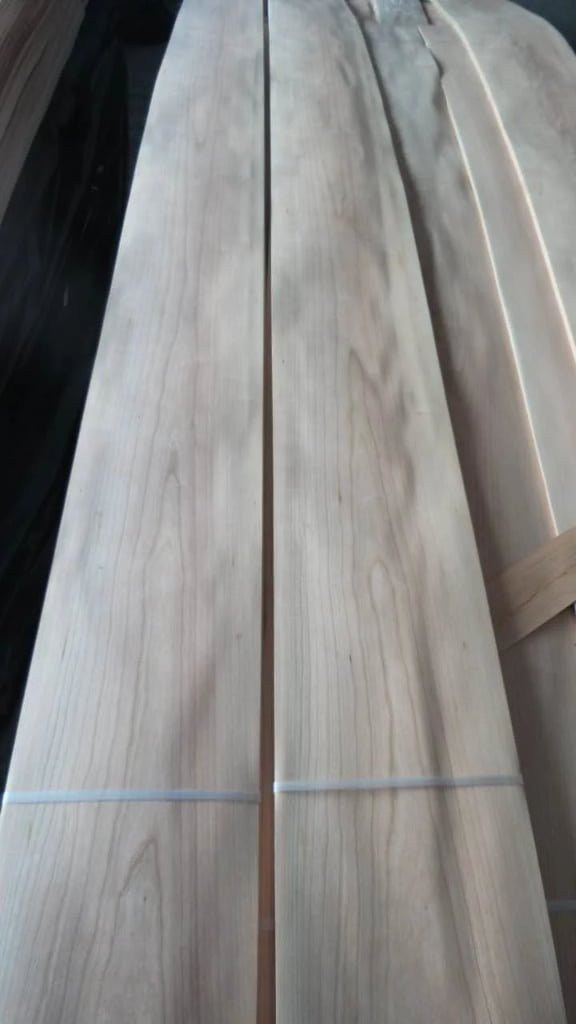
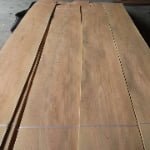
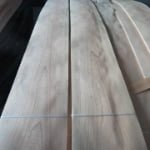
| Veneer Name | Cherry Veneer |
|---|---|
| Botanical Name | Prunus serotina |
| Wood Species | Cherry |
| Application | Furniture, Cabinetry, Doors, Flooring, Wall Paneling |
| MOQ | 5000㎡ |
| Log Origin | North America |
| Port of Loading | QINGDAO port |
| Moisture Content | 8%–12% |
| Grade | - |
| FSC Status | To be confirmed for each order |
Standard supply range for natural wood veneer
| Specification | Available Range |
|---|---|
| Thickness |
0.45 mm
0.5 mm
0.60 mm
|
| Length | 1200–3800 mm |
| Width | 120–400 mm |
| Custom Sizing | Thickness, length and width can be customized according to customer requirements. |
Cherry Veneer Overview
Cherry veneer brings warm color, fine grain, and a refined natural appearance to furniture and interior surfaces. Made from American Cherry (Prunus serotina), it is a popular choice for projects that require an elegant wood finish with subtle character.
Cherry heartwood ranges from warm reddish tones to rich reddish brown. Its color gradually deepens with exposure to light, developing a distinctive, mature appearance over time. The fine, generally straight grain and smooth texture create a balanced surface that complements both traditional furniture and contemporary interiors.
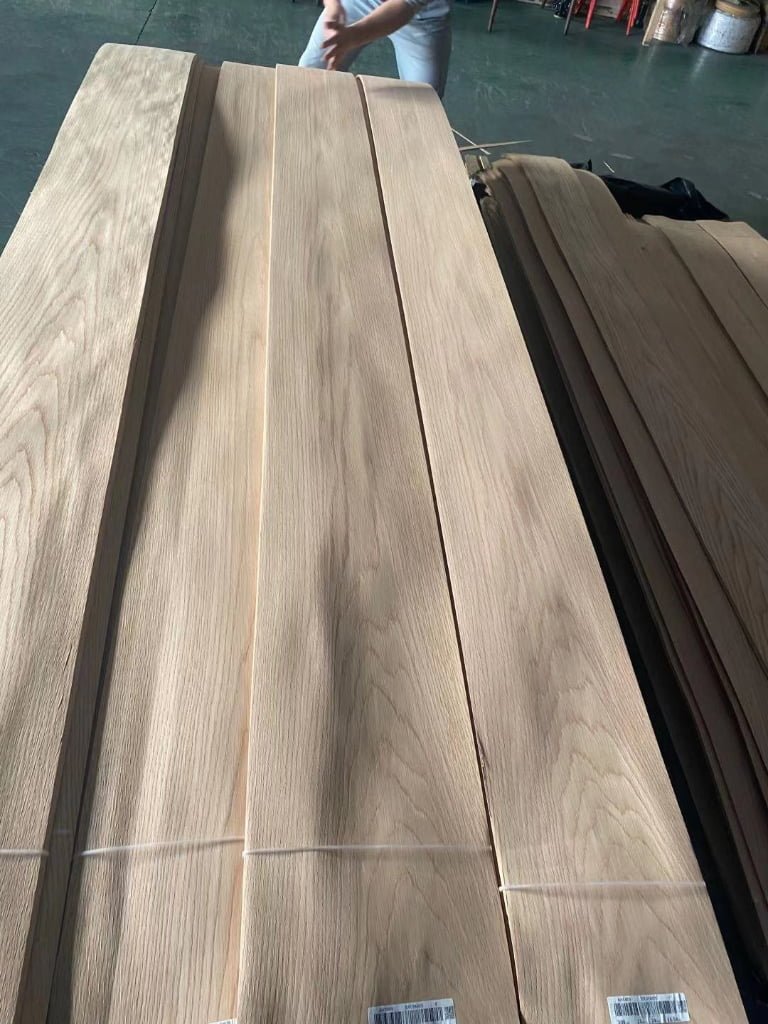
As a natural material, cherry veneer varies in color and grain from sheet to sheet. Small gum pockets and other natural markings may also occur, giving each surface its own character. When selecting veneer for larger projects, color and grain matching should be considered to achieve the desired overall appearance.
Cherry veneer is suitable for furniture surfaces, cabinet doors, decorative wall panels, interior doors, and other interior joinery. It provides the appearance of natural cherry wood while allowing manufacturers to apply a thin decorative wood layer to a suitable panel substrate.
Its warm tones work well in residential interiors, offices, hotels, and retail spaces. Whether used across a large panel or as a decorative detail, cherry veneer adds visual warmth without an overly prominent grain pattern.
A clear finish can highlight cherry’s natural color and grain. Stained finishes can also be used to achieve a particular design effect. Because the finished appearance depends on the veneer, surface preparation, and coating system, testing a sample before production is recommended.
For purchasing and project planning, please specify the required thickness, dimensions, grade, grain preference, and quantity. Reference samples or photographs can help communicate expectations for color variation and acceptable natural characteristics.
Contact us to discuss your cherry veneer requirements and request a quotation for your furniture or interior project.
Buyer Support
Essential information to help you select, process and order Cherry veneer with confidence.
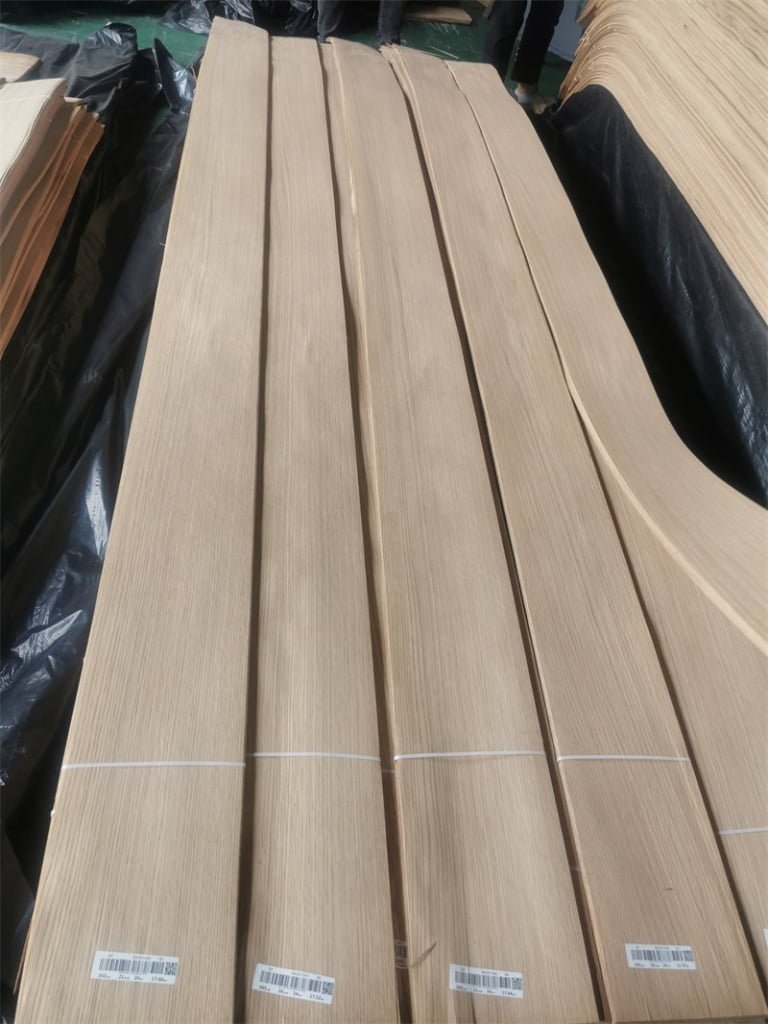
Flat-cut cherry veneer typically features cathedral grain patterns, creating a flowing, decorative appearance. Quarter-cut cherry veneer generally produces straighter grain for a more uniform look.
Both cuts are suitable for furniture. Flat-cut cherry is often chosen for expressive grain on tabletops, cabinet doors, and decorative panels. Quarter-cut cherry is a good choice when a design calls for a more consistent, linear grain.
The cutting method mainly affects the grain pattern. Color varies naturally between logs and within the same log. Cherry also darkens with exposure to light, so color selection and matching are important for each project.
Please state whether you require flat-cut or quarter-cut veneer, along with the thickness, dimensions, grade, and quantity. Reference photos or samples can help clarify your expectations for grain and color.