Customer Case
Marco — Brazil Plywood Factory
Marco’s plywood factory in Brazil first reached out after struggling with inconsistent veneer batches from a previous supplier. A small…
Read the storyProduct Detail
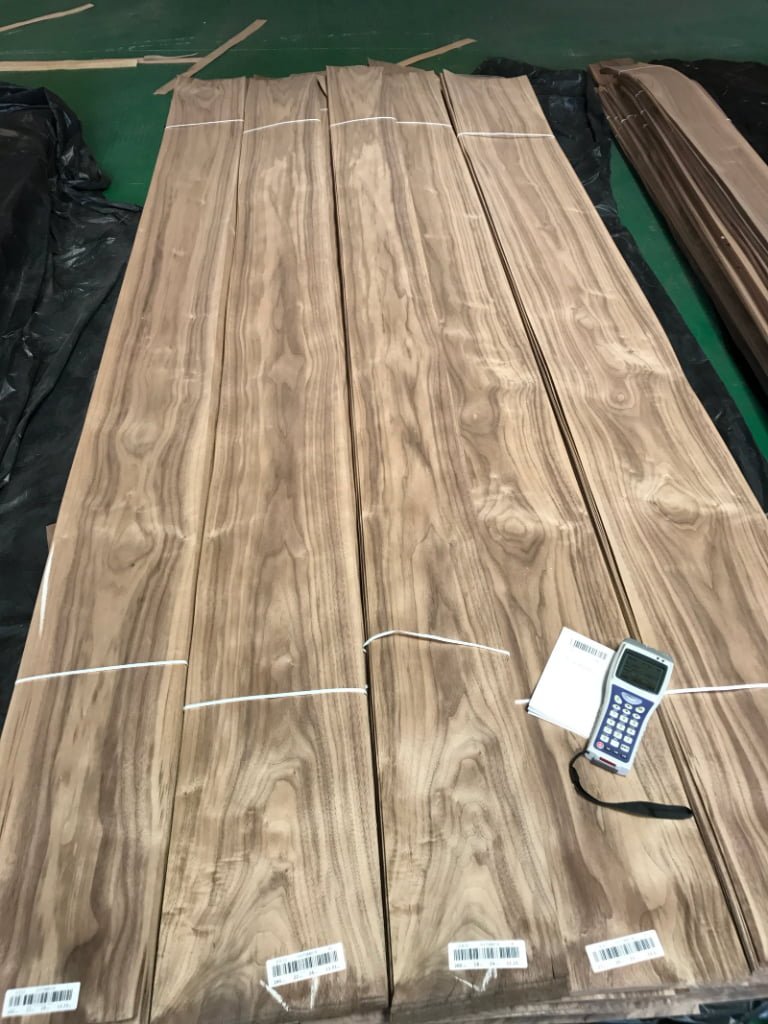
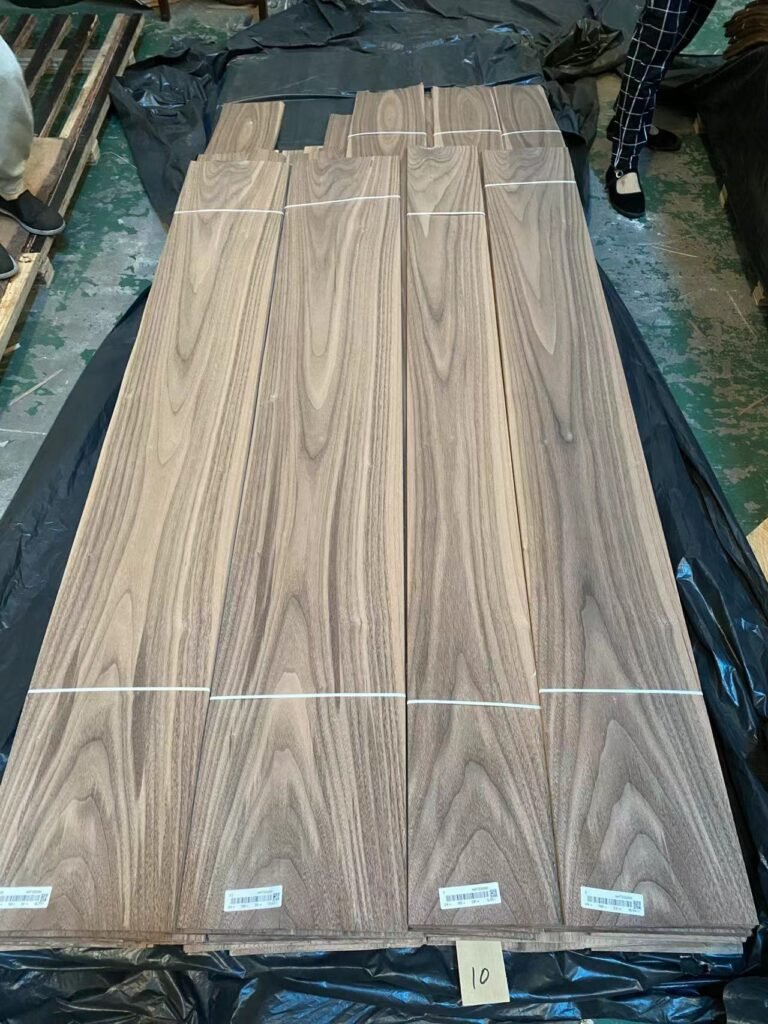
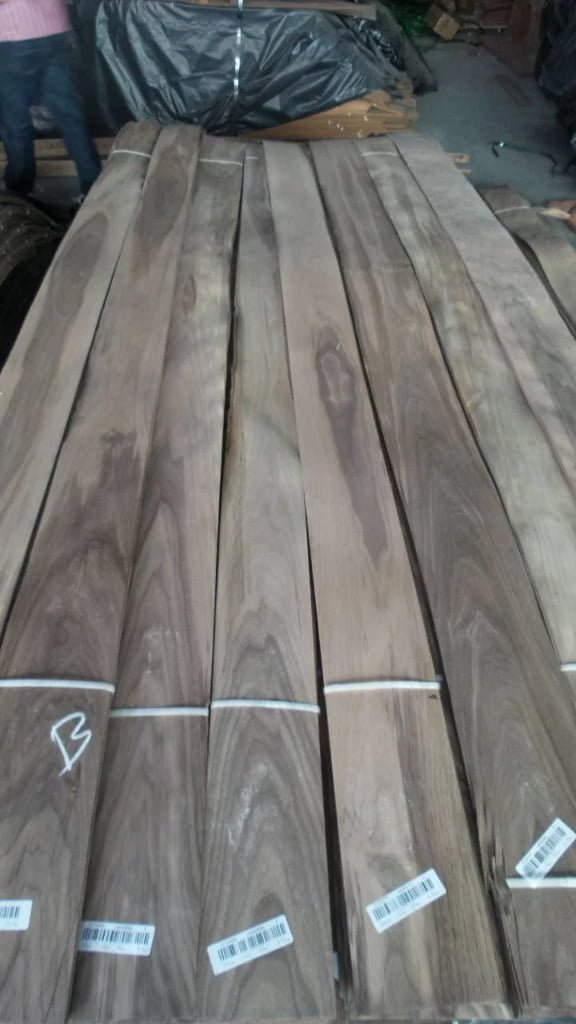
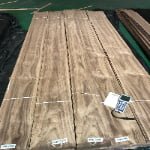
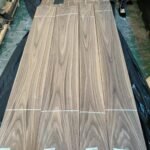
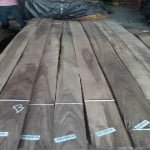
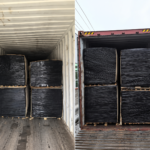
| Veneer Name | Walnut Veneer |
|---|---|
| Botanical Name | Juglans nigra |
| Wood Species | Walnut |
| Application | Furniture, Cabinetry, Doors, Flooring, Wall Paneling |
| MOQ | 5000㎡ |
| Log Origin | North America |
| Port of Loading | QINGDAO port |
| Moisture Content | 8%–12% |
| Grade | - |
| FSC Status | To be confirmed for each order |
Standard supply range for natural wood veneer
| Specification | Available Range |
|---|---|
| Thickness |
0.45 mm
0.50 mm
0.60 mm
|
| Length | 1200–3800 mm |
| Width | 140–400 mm |
| Custom Sizing | Thickness, length and width can be customized according to customer requirements. |
Walnut Veneer Overview
Walnut veneer combines rich brown tones with distinctive natural grain, bringing warmth and elegance to furniture and interior surfaces. Made from American Black Walnut (Juglans nigra), it is a versatile decorative material for designs ranging from traditional cabinetry to contemporary architectural interiors.
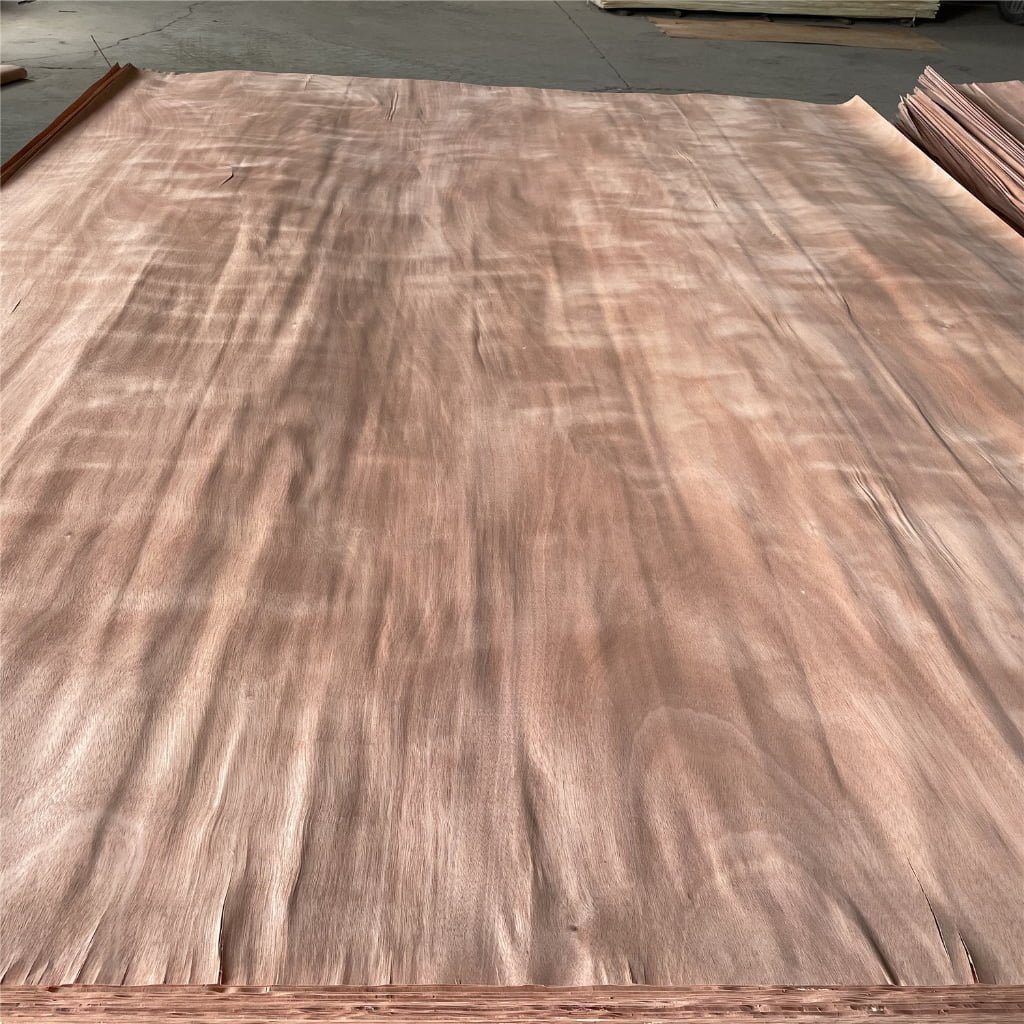
Walnut heartwood ranges from light brown to deep chocolate brown, sometimes featuring darker or purplish streaks. The lighter sapwood creates a natural contrast and may be included or limited according to the desired appearance and agreed selection requirements.
The grain is generally straight, although wavy and curly patterns can also occur. These natural variations give walnut veneer its individual character, making each panel visually unique. Its rich coloring pairs well with metal, stone, glass, and lighter wood species.
Flat-cut walnut veneer typically displays flowing cathedral patterns, making it an attractive choice for furniture fronts and feature panels. Quarter-cut veneer generally offers straighter grain for projects requiring a more linear appearance.
The arrangement of veneer leaves also influences the finished design. Book matching creates a mirrored pattern, while slip matching repeats the grain in the same direction. Careful selection and matching help achieve a coordinated appearance across adjacent doors, panels, or furniture components.
Walnut veneer is widely used for cabinets, wardrobes, tables, interior doors, wall panels, and decorative joinery. Applied to a suitable substrate, it provides a natural wood surface while making efficient use of the timber.
Its warm, dark tones suit residential spaces, offices, hotels, and retail interiors. Whether used for a large feature wall or a smaller furniture detail, walnut veneer adds depth and a refined visual finish.
Clear finishes can highlight walnut’s natural color and grain. The final appearance depends on surface preparation and the selected coating, so a finished sample should be approved before production.
For a quotation, please provide the required thickness, dimensions, grade, cutting method, and quantity. Reference photographs or samples are helpful for confirming color preferences, sapwood allowance, and acceptable natural characteristics.
Contact us to discuss your walnut veneer requirements for your next furniture or interior project.
Buyer Support
Essential information to help you select, process and order Walnut veneer with confidence.
On what date did the shipment arrive at the port?
Walnut heartwood ranges from light brown to dark chocolate brown, sometimes with darker or purplish streaks. The sapwood is much lighter. Natural color differences between veneer sheets are normal and should be considered when selecting material for a project.
Flat-cut walnut veneer typically features cathedral grain patterns for a flowing, decorative appearance. Quarter-cut walnut veneer generally produces straighter grain, making it suitable for designs that require a more linear look.
Walnut veneer is commonly used for cabinets, wardrobes, tables, interior doors, wall panels, and decorative joinery. Its warm brown tones suit both contemporary and traditional interiors.